DPaaS vs. Traditional Recovery – Which Choice Saves Your Business?
Every business, whether big or small, keeps an eye on its data. Imagine losing access to that information! Whether it’s some kind of power shortage. A server crash. Or a virus attack. It feels like an unexpected, immediate shutdown. At this stage, many immediately search for a reliable data recovery service near me.
But the right question to search for is not a quick fix. Instead, choosing the right and long-term protection strategy should be your priority. Traditional on-premises backup or Data Protection as a Service (DPaaS) – what’s the perfect plan for your business?
This article compares these two specific approaches to IT infrastructure protection. Plus, it covers which one is better for your solid business continuity planning (BCP).
Why are Traditional Backups No Longer An Option?
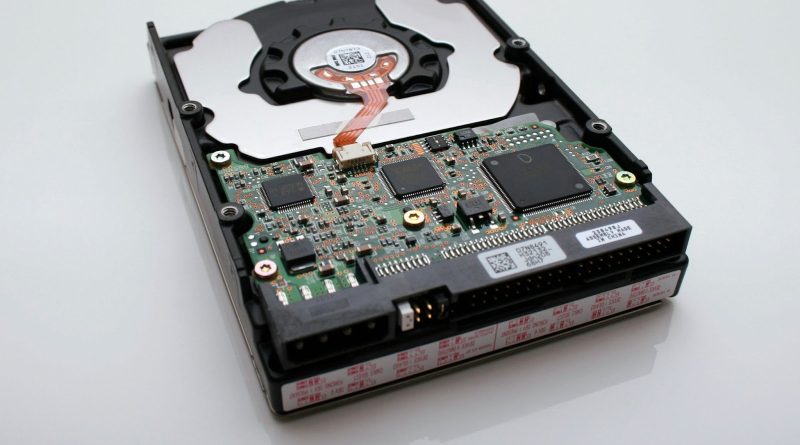
For decades, traditional on-premises backup was the standard. It involved local hardware management by your own team. Or if something bothers you, get some help from your nearest computer repair shop.
Although familiar and in use for years, this method has significant problems that modern threats expose. Traditional recovery relies on copying data to local tapes, disks, or servers that you physically own and manage.
Single Disaster and Data Gone Forever
If your primary data is in your office, and your backup hardware is also in the same office, a burst pipe, a fire, or theft can wipe out everything. This is the number one reason businesses fail to recover.
You know, the actual cost of traditional backup goes far beyond the price of the tape itself? Analysts often find that the total cost of ownership (TCO) increases due to the various expenses. These include purchasing new hardware, licensing software, and spending hours on manual management off-site. The IT teams mostly end up jam-packed with this repetitive work.
Slower Data Recovery Can Sometimes Cost Millions
The biggest setback with traditional recovery solutions is the slow recovery process. Restoring terabytes of data from a physical disk or tape is a tiring effort that can stretch your work for a few hours or even days.
For many mid-sized businesses, the cost of just one hour of downtime is estimated to be over $8,000. When recovery takes a day or more, the financial damage is humongous. This slow pace impacts your goals for data recovery management.
| Priority | Traditional Backup | Data Protection as a Service (DPaaS) |
| Time to Recover (RTO) | Slow (Hours to Days) | Ultra-Fast (Minutes to Near-Instant Failover) |
| Data Loss Tolerance (RPO) | High (Dependent on manual backup schedule) | Near-Zero (Continuous or very frequent replication) |
| Opinion | Fails to meet modern recovery objectives for critical systems. | Used for applications that require pro access. |
Why Do Companies Prefer Data Protection as a Service (DPaaS)?
Data Protection as a Service is the modern answer to the data crisis. It shifts the burden of hardware, management, and security to third-party providers. Utilizing the power of the cloud, businesses can smartly evaluate when to find a data recovery service near me.
Power of DRaaS is Beyond Simple Backups
DPaaS is much wider than just a place to store copies. It’s a full-service security app that includes BaaS and DRaaS.
- Backup as a Service (BaaS) secures and automatically copies your data off-site to some professional, computing data centers.
- In contrast, Disaster Recovery as a Service (DRaaS) replicates the entire computing setup. From servers, applications, to network settings, it replicates everything. If your office goes offline, the provider can “failover” and run your whole business in the cloud almost instantly, ensuring near-zero business interruption.
ZERO Fear of Data Breach with Full Proof Security
A key advantage of DPaaS is its superior protection against targeted cyberattacks. Reputable providers utilize technologies that are unaffordable and complex for most businesses to run internally.
Every 3 out of 5 businesses are hit by a virus attack every 11 seconds. The only guaranteed defense is constant storage. This core DPaaS feature creates copies of your data that absolutely cannot be changed, encrypted, or deleted by anyone, including malware. If your live system is locked, you can instantly recover a clean, recent copy.
Plus, when you partner with a managed data protection provider, their team of experts is constantly monitoring threats. They start updating security policies and check for disaster recovery testing. This is something many in-house teams overlook.
Speed, Cost, and Flexibility – A Checklist to Choose Recovery Solutions
Choosing between these two options is all about your business standards and priorities. While deciding to choose DaasS or traditional data recovery solutions, evaluate what matters most for your business’s future.
The Race Against the Clock (RTO & RPO)
In a data loss event, every second counts. The difference between DPaaS and traditional recovery is the difference between an hour of minor disruption and days of costly chaos.
Upfront vs. Operating Costs
The financial models are completely different. Traditional backup requires massive capital expenditure (CapEx) upfront, while DPaaS uses a simple, predictable operating expense (OpEx) model.
- Traditional: High initial CapEx for purchasing expensive hardware and software licenses. Hidden costs include power, cooling, and staff overtime.
- DPaaS: Simple, predictable monthly subscription. No hardware to buy, no maintenance to worry about. This subscription-based service offers immense scalability. You pay only for the resources you need, when you need them. Your cloud backup solutions simply adjust to your growth automatically.
Final Words
When businesses upgrade from traditional backup ways to DRaaS, they move from simply making data copies to securing the continuity of their entire operation. DRaaS is the most flexible, manageable, and cost-effective strategy for any business looking to thrive in the business industry.In short, data protection shouldn’t be a gamble. Considering the disastrous cost of modern breaks, isn’t it time to move your business from risky, manual backups to a professional, high-speed Disaster Recovery as a Service (DRaaS) solution? The choice is Yours!