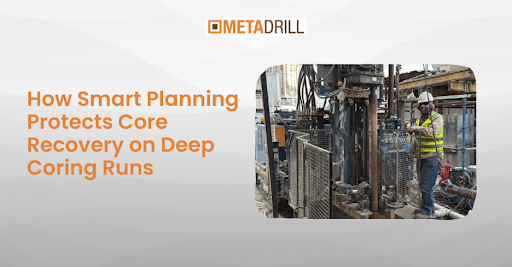
How Smart Planning Protects Core Recovery on Deep Coring Runs
Deep coring can look smooth on the surface, then suddenly your recovery drops and the core comes up broken, washed, or missing. That is the painful part. You do not lose recovery only because the ground is “difficult.” You lose it because small planning gaps show up at depth. When geotechnical drill rigs are used with a clear plan, the core tells a cleaner story, and the data becomes easier to trust.
Below are practical planning moves that protect recovery before the first meter is drilled.
Start with the right geotechnical drill rigs setup for depth
Depth changes everything. Longer runs, higher friction, and more time in the hole increase the chance of core damage. Before you begin, confirm your rig configuration is truly built for deep coring.
Key checks to do early
- Confirm mast capacity and pullback is suitable for the planned depth
- Verify rod handling is smooth and consistent for long strings
- Plan stable working space for rods, core boxes, and fluids
- Ensure the crew knows the core handling and boxing routine
If the setup is rushed, the recovery problem will usually appear later, when it is expensive to fix.
Choose geotechnical drilling equipment that matches the ground
Core recovery depends on correct tooling. A bit that works in one formation can destroy core in another. Smart planning means you select tools for the expected ground, but you also prepare the layer that surprises you.
What to plan for
- Bit type and core barrel selection for expected hardness and fracturing
- Inner tube condition and proper fit before starting a deep run
- Spare core lifters, bearings, and consumables on site
- A simple trigger rule for switching tooling when recovery trends drop
This is why deep coring should never rely on one tooling plan only.
Control drilling parameters using drilling rig tools and equipment
At depth, small changes in pressure, rotation, and feed can change core quality fast. Your best protection is disciplined control, not aggressive speed.
Field controls that protect recovery
- Keep penetration steady and avoid sudden feed spikes
- Reduce rotation when the core is fractured or highly weathered
- Watch for vibration changes and respond early
- Use consistent flushing to clear cuttings without washing the core
- Record key parameters per run so trends are visible
When the crew uses drilling rig tools and equipment to maintain stable drilling behavior, core breaks less and recovery becomes more predictable.
Plan the core handling chain before you drill
A deep run creates more handling steps, and every step is a chance to damage or mix core. Planning the “handoff path” is just as important as planning the drilling path.
A simple handling plan that works
- Pre label core boxes and depth ranges before the first run
- Assign one person responsible for marking and verification
- Keep core orientation consistent and avoid flipping pieces
- Take a quick photo per box with labels visible
- Protect the boxes from sun and heat during storage and transport
Even if the drilling is perfect, poor handling can ruin the story.
Treat recovery as a live metric, not a final report
The smartest teams do not wait for the end of the hole to discover a problem. They watch recovery run by run and adjust early.
Recovery checks you should run daily
- Record recovery and RQD consistently per run
- Compare expected vs actual recovery in each layer
- Investigate sudden drops immediately
- Adjust run length, tooling, or parameters when needed
This is how you keep a deep hole from turning into a recovery disaster.
Conclusion
Deep rewards planning that is practical, not complicated. When geotechnical drill rigs are prepared for depth, the right geotechnical drilling equipment is ready for changing formations, and the crew follows consistent controls; core recovery stays strong, and the results remain defensible.