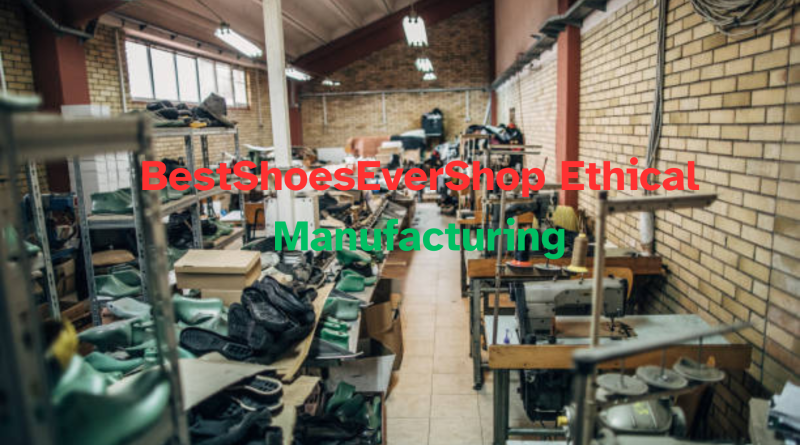
BestShoesEverShop Ethical Manufacturing: Why Responsible Production Matters
In the fashion and footwear industry, more customers are paying attention to how products are made. People no longer focus only on style and price. They also want to know whether a company follows ethical manufacturing practices. The keyword “BestShoesEverShop Ethical Manufacturing” reflects growing interest in responsible production, worker welfare, environmental awareness, and product quality.
Ethical manufacturing is becoming one of the most important topics in modern shopping. Consumers now understand that the shoes they buy can impact workers, communities, and the environment. Businesses that follow ethical standards often build stronger trust with their customers and create long-term value.
This article explains what ethical manufacturing means, why it matters in the footwear industry, and how companies like BestShoesEverShop can benefit from responsible practices.
What Is Ethical Manufacturing?
Ethical manufacturing refers to producing products in a fair, safe, and responsible way. It involves treating workers properly, reducing environmental damage, and maintaining honest business practices throughout the supply chain.
In the shoe industry, ethical manufacturing may include:
- Safe working conditions
- Fair wages for workers
- Reasonable working hours
- No child labor
- Reduced waste and pollution
- Responsible sourcing of materials
- Environmentally friendly production methods
Many consumers now prefer brands that openly support these values.
Why Ethical Manufacturing Matters in the Footwear Industry
The footwear industry is one of the largest manufacturing sectors in the world. Millions of workers are involved in producing shoes, from material suppliers to factory employees.
Unfortunately, some parts of the industry have faced criticism for:
- Unsafe factories
- Low wages
- Poor labor conditions
- Environmental pollution
- Excessive waste
Because of this, shoppers increasingly support businesses that focus on ethical manufacturing.
When a company promotes responsible production, it shows that the brand values people and sustainability, not just profits.
BestShoesEverShop Ethical Manufacturing Approach
The phrase “BestShoesEverShop Ethical Manufacturing” suggests a focus on responsible and transparent business practices. While specific policies may vary, ethical footwear companies often follow several key principles.
1. Fair Treatment of Workers
Ethical companies understand that workers are the foundation of production. Fair treatment includes:
- Paying proper wages
- Offering safe workplaces
- Respecting labor rights
- Avoiding exploitative practices
When workers are treated well, product quality often improves because employees work in healthier and more supportive environments.
2. Sustainable Material Choices
Modern shoe manufacturing can create significant environmental waste. Ethical brands often try to reduce their impact by using:
- Recycled materials
- Organic cotton
- Eco-friendly rubber
- Water-based adhesives
- Vegan alternatives
Sustainable materials help lower pollution and reduce the use of harmful chemicals.
3. Reduced Environmental Impact
Factories can consume large amounts of energy and water. Ethical manufacturing encourages businesses to adopt cleaner production methods such as:
- Energy-efficient machinery
- Waste recycling systems
- Reduced plastic packaging
- Lower carbon emissions
These improvements benefit both the environment and future generations.
4. Transparency in Production
Customers appreciate honesty. Ethical brands often provide information about:
- Factory locations
- Material sourcing
- Worker conditions
- Sustainability goals
Transparency builds trust because shoppers can better understand how products are made.
Benefits of Ethical Manufacturing for Customers
Ethical manufacturing is not only good for workers and the environment. It also benefits customers in several ways.
Better Product Quality
Companies focused on responsible production often pay closer attention to craftsmanship and durability. High-quality materials and fair working conditions can result in better-made shoes.
Greater Customer Trust
Consumers are more likely to support businesses that align with their personal values. Ethical manufacturing helps create stronger relationships between brands and buyers.
Long-Term Sustainability
Supporting ethical businesses encourages sustainable industry practices. Over time, this can reduce waste and improve environmental responsibility across the market.
Positive Social Impact
Purchasing from responsible companies may help support fair wages, safer workplaces, and improved community conditions in manufacturing regions.
Common Ethical Manufacturing Practices in Shoe Production
Many modern footwear brands use specific methods to improve ethical standards. These practices may include:
Responsible Supply Chain Management
Ethical companies often monitor suppliers carefully to ensure labor and environmental standards are followed throughout the production process.
Recycling Programs
Some businesses encourage customers to recycle old shoes instead of throwing them away. This helps reduce landfill waste.
Eco-Friendly Packaging
Using recyclable or biodegradable packaging materials can lower environmental impact significantly.
Smaller Production Runs
Producing limited quantities can help reduce overproduction and unnecessary waste.
Challenges of Ethical Manufacturing
Although ethical manufacturing offers many advantages, it also comes with challenges.
Higher Production Costs
Fair wages, safer factories, and sustainable materials may increase manufacturing expenses. This sometimes leads to higher retail prices.
However, many customers are willing to pay more for responsibly made products.
Supply Chain Complexity
Large supply chains can make it difficult for companies to monitor every stage of production. Maintaining transparency requires ongoing effort and regular inspections.
Balancing Affordability and Sustainability
Brands often try to balance ethical practices with competitive pricing. Achieving both goals can be difficult in highly competitive markets.
How Customers Can Support Ethical Manufacturing
Consumers play an important role in encouraging responsible business practices. Here are several ways shoppers can help:
Research Brands Before Buying
Check whether a company shares information about:
- Worker treatment
- Sustainability goals
- Material sourcing
- Environmental initiatives
Transparent businesses are often more trustworthy.
Buy Quality Instead of Quantity
Purchasing durable products that last longer may reduce waste and unnecessary consumption.
Support Sustainable Products
Choosing eco-friendly footwear encourages brands to invest more in responsible manufacturing.
Ask Questions
Customers can contact brands directly and ask about:
- Factory conditions
- Material origins
- Environmental practices
This encourages greater transparency within the industry.
The Growing Demand for Ethical Footwear
Ethical shopping is no longer a small trend. Around the world, consumers increasingly prefer brands that demonstrate social and environmental responsibility.
Younger generations especially value:
- Sustainability
- Fair labor practices
- Environmental awareness
- Transparency
As awareness grows, ethical manufacturing may become a standard expectation rather than a special feature.
Tips for Finding Ethically Manufactured Shoes
If you are searching for responsibly produced footwear, consider these practical tips:
Look for Clear Sustainability Information
Reliable brands often publish detailed information about their manufacturing process and environmental goals.
Read Customer Reviews
Reviews can provide insight into product quality, durability, and company reputation.
Check Material Information
Eco-friendly materials are often a positive sign of sustainability efforts.
Avoid Fast-Fashion Overconsumption
Buying fewer, higher-quality products can support more responsible manufacturing practices.
The Future of Ethical Manufacturing
The future of footwear manufacturing is likely to focus even more on sustainability and fairness. New technologies and growing customer awareness are encouraging businesses to improve their practices.
Some future developments may include:
- More recycled materials
- Carbon-neutral production
- Advanced recycling systems
- Improved supply chain transparency
- Eco-friendly innovations in shoe design
Companies that adapt to these changes may gain stronger customer loyalty over time.
Final Thoughts
The topic “BestShoesEverShop Ethical Manufacturing” highlights the increasing importance of responsible production in today’s footwear industry. Ethical manufacturing is about more than making shoes. It involves protecting workers, reducing environmental harm, and building trust with customers.
Modern consumers want products that align with their values. Businesses that focus on fairness, sustainability, and transparency are more likely to earn long-term support from shoppers.
As ethical awareness continues to grow, responsible manufacturing may become one of the defining standards of successful footwear brands in the future.