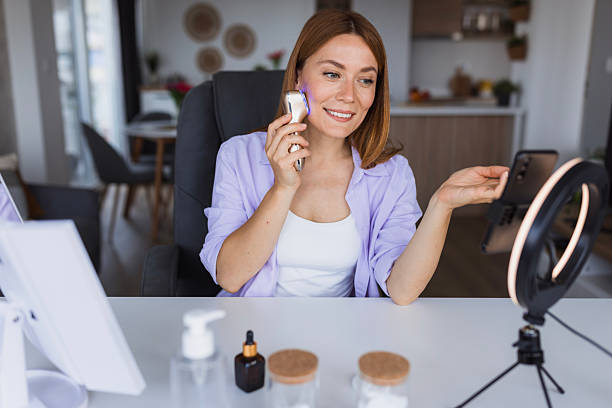
How At-Home Beauty Technology Is Transforming Everyday Hair and Skincare Routines
Beauty routines are no longer limited to creams, serums, and occasional salon visits. At-home beauty technology has changed how people approach hair and skincare, giving them access to tools that were once reserved for professionals. When used correctly, these devices can help improve consistency, support long-term results, and make self-care more intentional.
Rather than replacing experts, modern beauty tools are designed to work alongside professional advice. They allow users to maintain results between appointments and better understand their own skin and hair needs.
Why More People Are Turning to At-Home Beauty Devices
One major reason at-home beauty technology has become so popular is education. Consumers are learning more about scalp health, skin renewal cycles, and how lifestyle affects appearance. This knowledge naturally leads to interest in tools that go beyond surface-level care.
Another factor is convenience. Busy schedules make frequent spa visits difficult, so people are looking for ways to support their routines at home without sacrificing effectiveness. Well-designed beauty devices can offer structure and precision that manual methods often lack.
Building a Healthier Hair and Scalp Routine
Hair care is shifting away from quick cosmetic fixes and toward long-term scalp health. Issues like dryness, buildup, and thinning often begin at the scalp, which is why targeted care has become increasingly important.
Many people now include tools such as a high frequency wand for hair as part of a broader routine that focuses on circulation, cleanliness, and scalp balance. These tools are typically used alongside gentle cleansing, proper hydration, and healthy styling habits—not as a standalone solution.
For best results, it’s important to:
-
Use scalp tools only as recommended
-
Keep hair and scalp clean before treatments
-
Be consistent rather than aggressive
-
Stop use if irritation occurs
Healthy hair is a long-term process, and technology works best when paired with patience and good habits.
Smarter Approaches to Skin Exfoliation and Renewal
Skincare has also become more strategic. Instead of harsh scrubs or overuse of strong products, people are choosing controlled exfoliation methods that respect the skin barrier.
Professional treatments have long set the standard for effective exfoliation, which is why many users look to tools inspired by in-clinic devices. A professional microderm machine, for example, is often referenced as a benchmark for precision and results, even when individuals opt for gentler at-home alternatives based on similar principles.
When focusing on exfoliation, readers should remember:
-
Over-exfoliating can damage the skin barrier
-
Frequency matters more than intensity
-
Hydration and sun protection are essential afterward
Balanced exfoliation supports smoother texture, brighter appearance, and better product absorption over time.
How to Choose the Right Beauty Tools
Not every device is right for every person. Before investing, readers should consider:
-
Their skin or hair type
-
Existing sensitivities or conditions
-
How much time they can realistically commit
-
Whether the tool fits into their current routine
Reading instructions carefully and starting with the lowest recommended setting can prevent many common issues. When in doubt, consulting a licensed dermatologist or esthetician is always a smart step.
Conclusion
At-home beauty technology is most effective when it supports—not overwhelms—your routine. The goal isn’t to own every new device, but to use the right tools consistently and responsibly. Thoughtful use can help maintain professional results, improve confidence, and encourage healthier habits over time.
By focusing on education, patience, and proper technique, readers can make informed choices that truly benefit their hair and skin. Beauty technology should feel empowering, not complicated—and when used wisely, it can turn everyday care into a long-term investment in well-being.