Professional Structural Support Design and Drafting Services
When a building begins to take shape, what holds it all together isn’t just concrete or steel it’s precision. Behind every strong structure is a careful plan that supports every load and connection. That’s the foundation of professional structural support design and drafting services.
These services combine engineering knowledge, drafting expertise, and a solid understanding of construction materials. The goal is simple make sure every structure stands strong, safe, and efficient for decades.
The Role of Structural Design and Drafting
Structural design starts long before the first shovel hits the ground. Engineers and drafters work together to translate ideas into detailed technical drawings. These plans define how every beam, column, and slab will interact with one another.
Without clear drawings, builders can only guess and in construction, guessing leads to risk. Structural drafting eliminates that risk. It gives contractors, fabricators, and inspectors one reliable source of truth.
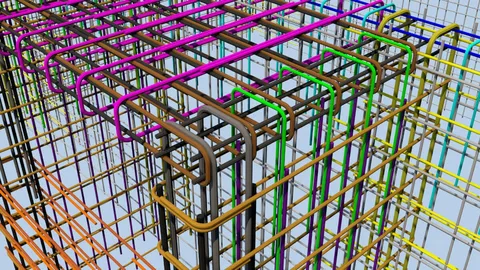
This is where services like rebar detailing service come in. Rebar detailing focuses on the reinforcement that strengthens concrete elements. It’s a technical art balancing accuracy with practicality.
Why Precision Matters in Rebar Detailing
Rebar, short for reinforcing bar, gives concrete its strength. Concrete alone can handle compression but struggles with tension. That’s why steel bars are embedded inside they take on the tension forces that concrete cannot.
Rebar detailing experts create detailed drawings showing where every piece of rebar goes. The placement, spacing, bends, and overlaps are all mapped out. A single mistake can cause delays, rework, or even structural failure.
When done correctly, detailed rebar drawings help ensure the steel fits perfectly on-site, reducing waste and saving money. It also keeps the construction sequence smooth, avoiding the guesswork that often leads to costly revisions.
Bridging Design and Construction
One of the biggest challenges in construction is communication. Designers, engineers, and contractors all speak slightly different “languages.” Professional drafting acts as a translator between them.
A structural support design service provides drawings that everyone can understand builders, inspectors, and clients alike. That clarity builds confidence across the project.
These drawings cover every structural component: foundations, columns, beams, slabs, and retaining walls. They specify not only the dimensions but also the type and grade of materials to use.
When rebar detailing is included as part of the process, everything comes together seamlessly from design concept to on-site assembly.
How Good Drafting Saves Time and Money
Well-crafted drawings can cut down on project costs more than most realize. They reduce errors before construction starts. They also make it easier for suppliers to estimate materials accurately.
A clear design means fewer changes during construction. And every builder knows that fewer changes mean fewer delays.
Drafting professionals also help optimize the amount of steel used. Instead of over-designing or under-reinforcing, they calculate the perfect balance. That saves both money and materials while keeping safety intact.
Understanding Rebar for Foundations
When discussing reinforced concrete, foundations take center stage. The strength of any structure depends on what lies beneath it. This is where rebar for footings becomes essential.
Footings distribute a building’s weight to the ground. They prevent settlement and keep everything level. The rebar inside those footings helps the concrete resist cracking and bending forces.
If rebar is misplaced or insufficient, cracks appear, water seeps in, and the entire structure’s stability suffers. Accurate detailing ensures that doesn’t happen. Each bar is positioned according to load calculations, giving the building the stability it needs to last.
Technology That Transforms Drafting
Gone are the days of hand-drawn blueprints. Today’s professionals rely on powerful CAD and BIM software. These tools make structural design and drafting faster, more accurate, and more adaptable.
Digital models allow engineers to spot potential conflicts early. They can visualize how rebar, columns, and beams fit together before construction begins. That means fewer surprises on-site.
More importantly, 3D modeling improves collaboration. When architects, engineers, and builders can all view the same digital plan, coordination becomes smoother. Everyone stays on the same page.
Qualities to Look for in a Drafting Partner
Choosing the right drafting and design partner is as critical as choosing the right materials. Here’s what to look for:
- Experience and expertise. Check how long they’ve been in the industry and their familiarity with different project types.
- Attention to detail. The smallest error in a drawing can cause major issues later.
- Communication skills. A good drafting team explains complex designs in simple terms.
- Quality assurance. Look for clear revision processes and internal reviews.
A reliable partner doesn’t just deliver drawings. They deliver confidence knowing your project is backed by technical precision.
Integrating Drafting into the Construction Workflow
The best results come when design, drafting, and construction are all connected. Drafting isn’t an afterthought; it’s an ongoing process that evolves with the project.
For example, during rebar detailing, engineers might adjust the layout to improve load distribution or ease of installation. Those adjustments are shared instantly through updated drawings. That real-time communication helps projects move forward without delays.
A great workflow also includes document control versioning, labeling, and easy file access. It keeps teams organized, even when multiple revisions occur.
Common Challenges and Smart Solutions
Even experienced teams face challenges in structural drafting. Miscommunication, outdated information, or poor coordination can lead to confusion on-site.
One effective solution is maintaining a centralized database for all design documents. With cloud-based systems, everyone can access the latest files at any time.
Another tip: schedule regular design coordination meetings. They help identify small conflicts before they grow into expensive problems.
Lastly, use visual tools. Simple color-coded plans or 3D views can make complex structural details much easier to understand.
Sustainability in Structural Design
Modern projects are not only about strength but also sustainability. Structural designers today aim to minimize material waste and maximize efficiency.
Accurate drafting helps achieve that goal. By planning every reinforcement detail precisely, engineers use only what’s needed nothing more. This approach reduces steel waste, lowers carbon emissions, and supports green-building goals.
Even small improvements, like optimizing bar bends or lap lengths, can save tons of steel over time. It’s a quiet but powerful way design contributes to sustainability.
Real-World Example: Getting It Right
Imagine a commercial building project that skipped detailed rebar drawings. When construction began, workers realized the steel didn’t align with the design. Delays followed, costs climbed, and the schedule slipped by weeks.
Now, contrast that with a project using full structural design and rebar detailing from day one. Every part fits, inspections go smoothly, and construction flows as planned. The difference is planning not luck.
Practical Tips for Better Structural Drafting Projects
- Start early. Engage your drafting team during the design phase, not after.
- Use collaboration tools. Platforms like BIM 360 or AutoCAD Cloud improve communication.
- Review regularly. Short review cycles catch mistakes before they multiply.
- Think buildability. Drawings should be easy for on-site teams to follow.
- Keep learning. Technology evolves fast continuous training keeps your team sharp.
Simple practices like these lead to stronger, faster, and safer builds.
Why It’s Worth Investing in Professionals
Hiring professionals may seem like an added expense at first. But it’s actually one of the smartest investments you can make.
Professional design and drafting experts don’t just draw lines they understand the science behind them. Their knowledge prevents costly rework and helps ensure compliance with safety standards.
When you work with experts, you’re not just buying drawings; you’re securing a safer and more efficient project from the ground up.
The Long-Term Value of Quality Design
Good drafting doesn’t stop being useful after construction ends. It becomes a permanent record of how the structure was built. Future maintenance, renovations, or extensions all rely on these documents.
That’s why investing in accuracy pays off for years. It saves future teams time, reduces risks, and adds long-term value to the property.
Your Trusted Partner in Design
If you’re planning a new project, partnering with a skilled design and drafting team is essential. From the first concept sketch to the final steel tie, expertise matters.
Working with professionals ensures your plans are clear, compliant, and construction-ready. The result? A structure that’s not only strong but also cost-effective and sustainable.
To explore collaboration opportunities or learn more about how expert detailing can enhance your next build, check out our professional services here (generic anchor) it’s a simple step that can make a big difference.
And for teams looking to refine their reinforcement planning, try our detailed rebar drawing solutions (partial-match anchor) to see how precision drives performance.
FAQs
1. What does a structural drafting service include?
It covers detailed drawings for beams, columns, slabs, and foundations. These show exact measurements, connections, and materials.
2. How is rebar detailing different from general drafting?
Rebar detailing focuses specifically on steel reinforcement inside concrete. It includes bar sizes, spacing, bending, and placement.
3. Why is coordination between design and drafting important?
It prevents construction errors and ensures materials fit perfectly on-site, saving both time and cost.
4. Can rebar detailing help reduce waste?
Yes. Accurate detailing means using the exact amount of steel required no excess, no shortage.5. How do I choose the right drafting service?
Look for proven experience, transparent pricing, clear communication, and quality assurance standards.