Social Media and Productivity: Balancing Focus in a Connected World
When Connection Competes with Focus
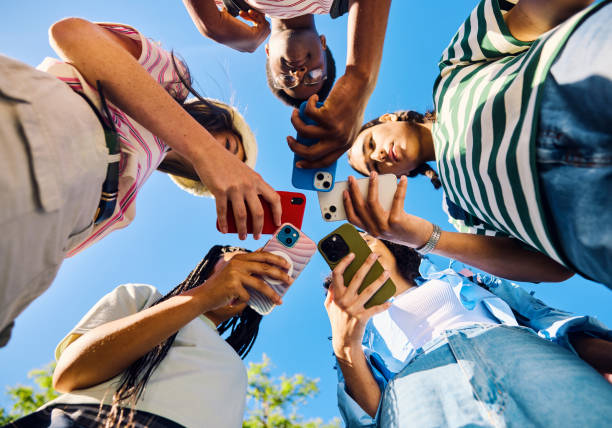
Social media is a double-edged sword. It connects, informs, and entertains—but it also distracts. Many people open apps just to check one post and end up losing an hour. What feels like a quick break becomes a long scroll that interrupts workflow. The modern workplace, both online and remote, makes it harder to stay focused. Notifications, messages, and updates constantly fight for attention. Productivity isn’t only about hard work anymore; it’s about managing distractions in a digital world.
The New Attention Economy
Every major platform, from Instanavigation to TikTok runs on one currency: attention. The longer users stay, the more valuable they become. Every scroll, like, or view feeds algorithms that keep content flowing. It feels endless because it’s designed that way. This is known as the “attention economy.” The more attention users give, the more ads platforms can show. The business model depends on distraction. People don’t lose focus because they’re lazy, they lose it because the system is built to keep them engaged. Recognizing that is the first step to taking back control.
How Social Media Impacts Work and Study
For students and professionals, focus is the foundation of productivity. Social media chips away at that foundation one notification at a time. Even short interruptions can reduce efficiency. Studies show that after checking a phone, it can take several minutes to refocus. Multiply that by dozens of interruptions, and hours of deep work are lost. The problem isn’t just the time spent scrolling, it’s the time lost to switching back and forth. This “mental switching cost” leaves people feeling tired and less creative. Ironically, people check social media to relax, but constant access increases mental clutter.
The Psychology of Distraction
AI in Social media marketing uses small triggers that keep people coming back. Notifications, likes, and mentions release dopamine, the brain’s reward chemical. These small hits feel good, but they train the brain to crave more. Checking becomes a habit, not a choice. Over time, the brain associates boredom or stress with scrolling. That’s why people reach for their phones during breaks or moments of silence. The cycle is simple: feel restless, check social media, feel a brief reward, then repeat. Breaking that pattern requires awareness and discipline.
The Productivity Paradox
Ironically, social media can also boost productivity when used with purpose. It’s a valuable tool for communication, learning, and networking. Many professionals find work opportunities, market products, or build personal brands through these platforms. The problem starts when passive use replaces intentional use. Checking updates without a clear goal drains energy instead of building value. Mindful use, logging in for a specific task and logging out immediately, turns social media into a tool instead of a trap.
The Role of Technology in Distraction
Technology is both the cause and the cure. Phones and apps now include tools to monitor screen time, mute notifications, and set limits. Features like “Focus Mode” or “Do Not Disturb” help people protect their attention during work hours. Even analytics tools like Instagram Story Viewer can offer perspective. They show how often content is viewed and engaged with, reminding creators to focus on impact rather than obsession. The best way to manage digital life is to use technology consciously, not automatically.
Strategies for Regaining Focus
Focus doesn’t mean avoiding social media altogether. It’s about using it on your own terms. Start by scheduling specific times to check messages or updates. Avoid opening apps first thing in the morning or right before bed. Keeping phones out of sight during deep work can increase concentration. Some people even use separate browsers or devices for work and social activity. Another helpful trick is replacing the habit. When the urge to scroll hits, take a short walk or write a quick note instead. These small actions retrain the brain to seek calm rather than distraction.
The Link Between Productivity and Well-Being
Productivity isn’t only about output; it’s about mental balance. When social media steals time, it also steals rest. People stay up late scrolling, wake up tired, and start the cycle again. Good productivity starts with good health. Regular breaks, exercise, and real-world interaction reset the mind. Reducing digital noise gives space for clear thinking and creativity. That’s when real work and real satisfaction happen.
The Future of Focus
More people are becoming aware of digital burnout. The next wave of technology will likely focus on healthier engagement. Apps may soon adapt to users’ emotional states or suggest breaks when they detect overuse. Workplaces are also encouraging digital boundaries to prevent fatigue. The future of productivity will depend not just on smarter tools, but on smarter habits. As digital culture evolves, attention will become the most valuable resource we own. Protecting it is not just good for work, it’s essential for well-being.
Conclusion:
Social media isn’t the enemy, it’s the environment. The key is to manage how and when to engage. When used with intention, it can inspire, connect, and even boost creativity. But when left unchecked, it becomes a quiet thief of time and focus. The best productivity tip isn’t about working harder, it’s about scrolling smarter. In a world that never stops updating, your attention is still your greatest power.
