Masgonzola: The Ultimate Guide to Flavor, Uses, and Everyday Cooking
If you’ve encountered the term masgonzola and wondered what makes it special, you’re in the right place. While the name may sound uncommon, masgonzola is generally associated with a creamy, blue-veined cheese experience known for its bold taste and smooth texture. It appeals to both beginners exploring gourmet foods and seasoned cheese lovers looking for something rich and versatile.
In this in-depth guide, you’ll learn everything about masgonzola—from its flavor and texture to practical uses, storage tips, and creative ways to enjoy it at home.
What Is Masgonzola?
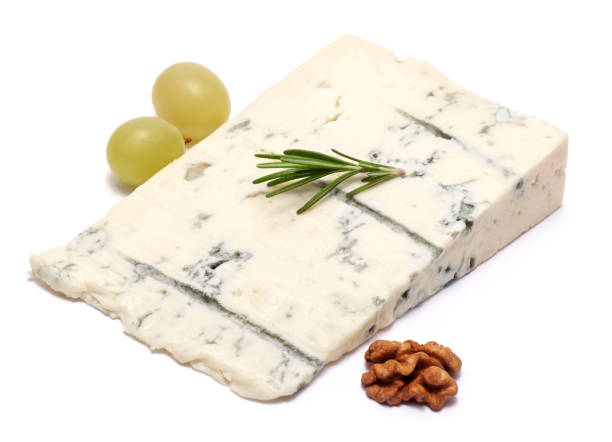
Masgonzola refers to a soft, creamy cheese that shares similarities with classic blue cheeses. It is typically made using cow’s milk and is aged with the help of specific molds that create the characteristic blue or green veins throughout the cheese.
These veins are not only safe to eat but are also responsible for the cheese’s signature taste. Depending on the aging process, masgonzola can range from mild and buttery to sharp and intense.
Unlike hard cheeses, masgonzola is often soft and slightly crumbly, making it easy to spread, melt, or incorporate into a wide variety of dishes.
Flavor Profile: What Does Masgonzola Taste Like?
Masgonzola stands out because of its complex and layered flavor. Here’s what you can expect:
- Creamy richness: The base flavor is smooth and buttery.
- Tangy kick: The blue veins add a sharp, slightly spicy taste.
- Earthy undertones: A natural depth that enhances savory dishes.
- Mild sweetness: Some varieties have a subtle sweet finish.
The taste can vary depending on age:
- Young masgonzola: Softer, milder, and slightly sweet
- Aged masgonzola: Stronger, sharper, and more pungent
This range makes it suitable for many different preferences.
Texture and Appearance
Masgonzola has a distinctive look and feel:
- Soft and creamy interior
- Blue or green marbled veins
- Thin rind (sometimes edible)
- Spreadable consistency when fresh
As it ages, it may become firmer and slightly crumbly, but it still retains a creamy mouthfeel.
Nutritional Benefits of Masgonzola
Masgonzola is not just flavorful—it also contains essential nutrients:
1. Protein
It provides a good amount of protein, which helps support muscle growth and repair.
2. Calcium
Important for maintaining strong bones and teeth.
3. Healthy Fats
Offers energy and helps the body absorb fat-soluble vitamins.
4. Vitamins
Contains vitamins like B12, which support brain and nerve function.
5. Probiotics
The fermentation process may introduce beneficial bacteria that support gut health.
Note: While nutritious, masgonzola is high in fat and sodium, so it’s best enjoyed in moderation.
Popular Ways to Use Masgonzola in Cooking
One of the biggest advantages of masgonzola is its versatility. It can be used in both simple snacks and gourmet dishes.
1. Spread on Bread
Masgonzola is perfect as a spread:
- Toast
- Crackers
- Baguettes
Add honey or jam for a sweet contrast.
2. Creamy Pasta Sauces
It melts beautifully into sauces:
- Add to cream-based pasta
- Mix with butter and garlic
- Combine with mushrooms for extra depth
This creates a rich, restaurant-style dish at home.
3. Pizza Topping
Masgonzola adds bold flavor to pizza:
- Pair with caramelized onions
- Add walnuts or mushrooms
- Combine with mozzarella for balance
4. Salads
Crumble it over fresh salads for a flavor boost:
- Green salads
- Spinach salads
- Fruit salads with pears or apples
It adds a sharp contrast to sweet and fresh ingredients.
5. Meat Dishes
Masgonzola works well with:
- Steak
- Chicken
- Burgers
Use it as a topping or melt it into a sauce.
6. Soups and Risottos
A small amount can transform dishes like:
- Creamy soups
- Risotto
It enhances both texture and taste.
How to Store Masgonzola Properly
To keep masgonzola fresh and flavorful, proper storage is essential.
Storage Tips:
- Keep it refrigerated at all times
- Wrap it in wax or parchment paper
- Place it in an airtight container
- Avoid direct plastic wrap on the cheese
- Store in the vegetable drawer (less cold and more humid)
Shelf Life:
- Best consumed within 3–5 days after opening
- Always check for unusual smell or texture before use
How to Choose High-Quality Masgonzola
When buying masgonzola, keep an eye out for quality indicators:
- Even veining: Well-distributed blue or green streaks
- Fresh aroma: Strong but not unpleasant
- Moist texture: Should not appear dried out
- Proper packaging: Sealed and stored in a chilled section
Buying from trusted stores ensures better taste and safety.
Best Food Pairings with Masgonzola
Pairing masgonzola correctly enhances its flavor and creates a balanced taste experience.
Fruits
- Pears
- Apples
- Grapes
- Figs
Nuts
- Walnuts
- Almonds
- Pecans
Sweet Pairings
- Honey
- Maple syrup
Bread and Crackers
- Artisan bread
- Whole-grain crackers
- Baguettes
Beverages (optional for adults)
- Fresh juices
- Sparkling drinks
The combination of creamy, salty, and sweet elements creates a perfect balance.
Cooking Tips for Beginners
If you’re new to masgonzola, these tips will help you get started:
- Use small amounts first: The flavor can be strong
- Let it reach room temperature: Enhances taste and texture
- Mix with mild ingredients: Cream, milk, or butter can balance intensity
- Avoid high heat: Too much heat can make it oily
- Add at the end of cooking: Preserves flavor
Common Mistakes to Avoid
Even experienced cooks can make mistakes when using strong cheeses like masgonzola.
- Using too much at once
- Overcooking the cheese
- Pairing it with overly salty foods
- Storing it improperly
- Ignoring freshness
Avoiding these mistakes will improve your overall cooking results.
Health Considerations
While masgonzola offers many benefits, keep the following in mind:
1. Sodium Content
It contains high levels of salt, which may not be suitable for people with high blood pressure.
2. Fat Content
It is rich in fats, so portion control is important.
3. Lactose Sensitivity
Some individuals may experience discomfort if sensitive to dairy.
4. Allergies
Those with mold allergies should consult a doctor before consuming.
Moderation is key to enjoying masgonzola without health concerns.
Why Masgonzola Is Becoming Popular
Masgonzola is gaining attention for several reasons:
- Unique and bold flavor
- Easy to use in everyday cooking
- Fits both traditional and modern recipes
- Growing interest in gourmet foods
- Perfect for food experimentation
As more people explore global flavors, masgonzola stands out as a versatile and exciting ingredient.
Creative Ways to Enjoy Masgonzola
Want to try something different? Here are a few creative ideas:
- Add to mashed potatoes for a creamy twist
- Use in sandwiches for a gourmet feel
- Mix into scrambled eggs
- Top roasted vegetables
- Blend into dips for parties
These simple ideas can turn ordinary meals into something special.
Final Thoughts
Masgonzola is a rich, creamy, and flavorful cheese that can transform everyday dishes into memorable meals. Whether you’re spreading it on bread, melting it into pasta, or adding it to salads, its versatility makes it a valuable ingredient in any kitchen.
Understanding how to select, store, and use masgonzola properly ensures you get the best taste and quality every time. While it’s best enjoyed in moderation, its unique flavor makes it worth adding to your culinary repertoire.
