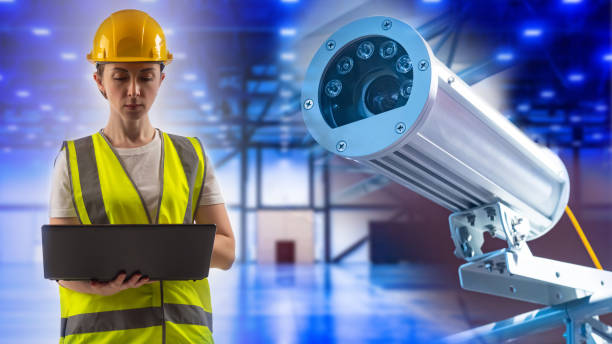
How Video Surveillance Enhances Workplace Safety and Prevents Loss
Introduction
Ensuring a safe and secure workplace is a critical priority for organizations of all sizes. Video surveillance systems have become an essential component for businesses that aim to prevent losses and protect employees, assets, and information. By integrating modern video surveillance technologies, companies gain proactive tools to address security threats and operational challenges. To learn how customized security solutions can benefit your facility, click here.
With advancements in smart cameras and monitoring software, surveillance systems today do more than just keep a record. They offer unparalleled benefits in terms of loss prevention, compliance monitoring, and operational improvements, making them indispensable for modern workplaces.
Deterrence of Criminal Activity
The visible presence of surveillance cameras acts as a powerful deterrent against theft, vandalism, and unauthorized access. When would-be criminals or internal threats know an area is monitored, the likelihood of them engaging in illegal activity drops significantly. This deterrence is supported by research showing that businesses with surveillance systems are less frequently targeted by external threats and insider misconduct.
Real-Time Monitoring and Rapid Response
Modern surveillance systems offer the advantage of real-time monitoring. Security personnel can observe live feeds from multiple locations, enabling immediate detection of suspicious activities or emerging safety hazards. Swift action can be taken by intervening directly, alerting law enforcement, or activating automated alarms in emergencies. Such vigilance greatly reduces damage and ensures the safety of both personnel and property.
Additionally, advanced surveillance infrastructure often includes artificial intelligence and machine learning capabilities that automatically flag unusual behavior or potential security breaches. This enables organizations to rely on more than just human eyes and reduces the chance that a critical incident will be overlooked. For example, motion detection or facial recognition features within these systems can instantly alert security staff, saving precious time during emergencies.
Incident Documentation and Investigation
In the event of an incident, recorded video footage is a critical source of objective evidence. This record helps investigators reconstruct the chronology of events, accurately assign responsibility, and resolve disputes efficiently. Surveillance documentation assists with insurance claims and legal proceedings and helps refine safety protocols to prevent similar incidents in the future. Companies often use footage analysis to identify root causes and effectively close security gaps.
Employers often find that detailed video documentation can lead to faster claim resolution and fewer disputes among coworkers, clients, and third-party contractors. Additionally, an unbiased visual record enhances transparency and increases trust among management, staff, and stakeholders.
Enhancing Employee Safety
Workplace safety extends beyond protection from crime. Surveillance cameras play a vital role in monitoring adherence to safety protocols in environments with high-risk tasks or hazardous materials. By identifying unsafe behavior or accident hotspots, management can intervene promptly and provide targeted safety training. Over time, the feedback gained from ongoing surveillance nurtures a culture of accountability, leading to consistently safer working conditions.
Beyond accident prevention, video surveillance also supports processes like visitor verification and access control. Ensuring that only authorized personnel enter secure areas mitigates the risk of workplace violence, industrial espionage, or sabotage. Furthermore, employees may feel more empowered knowing that their safety is actively protected, which can improve morale and retention rates.
Periodic reviews of video footage can also be used as training tools to reinforce best safety practices and demonstrate real-world examples of both safe and unsafe behavior. This fosters a continuous-learning environment focused on minimizing risk.
Preventing Fraudulent Claims
Worker injury claims impose high costs on businesses, particularly when claims are exaggerated or fraudulent. Video footage provides clear, time-stamped verification of workplace incidents, confirming whether an accident took place and under what circumstances. By corroborating or disproving claims, surveillance helps organizations prevent unnecessary payouts, reduce insurance premiums, and ensure compensation is awarded only to valid cases.
Moreover, the presence of cameras is often enough to deter individuals from engaging in fraudulent behavior in the first place, knowing that their actions are likely to be captured and reviewed. Insurers may also offer lower premiums to businesses that implement robust surveillance systems, viewing them as lower-risk clients. This cascade of benefits underscores the financial and reputational value of workplace surveillance in deterring false claims and maintaining the integrity of organizational processes.
Improving Operational Efficiency
The benefits of surveillance systems go beyond safety; they also drive operational improvements. By analyzing video data, management can identify workflow bottlenecks, track asset movement, and assess staffing effectiveness. These insights highlight inefficiencies and allow leaders to adjust processes, enhance resource allocation, and improve productivity. Furthermore, reviewing surveillance footage often uncovers overlooked problems or opportunities for training, fostering continuous improvement throughout the organization.
Surveillance footage can help managers gauge peak activity periods and optimize shift schedules accordingly. This flexibility maximizes staff productivity and reduces labor costs. Additionally, visual audits of processes allow organizations to standardize best practices and reduce human error across various departments. Advanced analytics can further transform raw surveillance data into actionable business intelligence, giving companies an edge in process optimization and resource management.
Compliance with Regulations
Strict safety and security regulations govern many industries, making compliance a constant challenge. Surveillance provides a verifiable record that businesses are adhering to these requirements, which can be essential during regulatory inspections or audits. In case of legal scrutiny or customer disputes, video evidence quickly demonstrates the company’s commitment to maintaining safety standards. Additionally, consistent monitoring supports voluntary compliance programs that create secure, responsible working environments.
In regulated sectors such as healthcare, finance, and manufacturing, surveillance footage can provide crucial evidence of compliance with industry-specific mandates, such as HIPAA, OSHA, and PCI-DSS. This proactive approach helps organizations avoid fines or sanctions, and fosters trust with customers and third-party auditors who value transparency.
Documenting adherence to protocols such as hygiene procedures, restricted area access, and emergency drills reaffirms the company’s dedication to health, safety, and governance standards. This ultimately strengthens the organization’s reputation, both internally and externally, and sets a benchmark for industry peers.
Final Thoughts
Video surveillance is a multipurpose tool for strengthening workplace safety and preventing loss. Its value spans from deterring criminal activity to enabling organizational improvements and demonstrating compliance. By investing in advanced surveillance technology, businesses not only safeguard their assets, employees, and reputation but also position themselves for sustainable growth and operational excellence.
Furthermore, as surveillance technologies become more affordable, scalable, and AI-driven, even small and medium-sized businesses can access powerful safety tools that were once reserved for large corporations. The adaptability of these systems means they can evolve alongside organizational needs, ensuring long-term relevance and value. A well-implemented surveillance strategy is a cornerstone of modern risk management, providing businesses with clear visibility, control, and peace of mind in an ever-changing threat landscape.