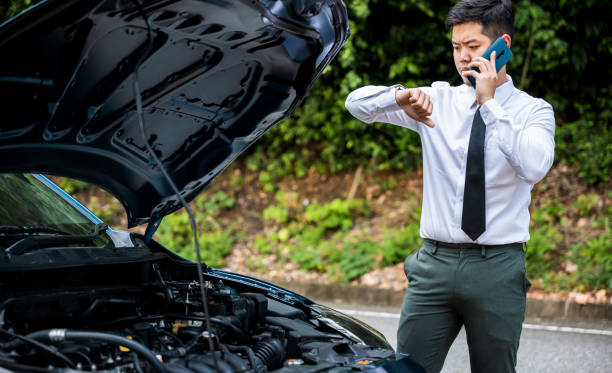
Why Keeping a Non-Running Car Too Long Can Create More Problems
Many people hold onto non-running vehicles longer than they originally planned. Some hope to repair the car eventually, while others simply postpone making a final decision because the process feels inconvenient or expensive.
However, leaving an unusable vehicle sitting for months or years often creates additional financial, mechanical, and property-related problems that continue growing over time.
Vehicles Continue Deteriorating Even When Not Driven
A parked car does not stop aging simply because it is no longer being used.
Over time, unused vehicles may develop:
- Dead batteries
- Flat or dry-rotted tires
- Fluid leaks
- Rust buildup
- Mold growth
- Seized engine components
Weather exposure gradually affects nearly every part of the vehicle, especially when it sits outdoors for extended periods.
In many cases, the condition becomes significantly worse the longer the car remains unused.
Moisture and Rust Become Bigger Concerns
Vehicles left sitting outside are constantly exposed to:
- Rain
- Snow
- Humidity
- Road salt
- Temperature changes
Moisture may begin collecting underneath the vehicle, inside the cabin, or around damaged seals.
Over time, this can lead to:
- Floor rust
- Brake line corrosion
- Exhaust deterioration
- Mold inside the interior
- Structural weakening
Even relatively solid vehicles may experience rapid deterioration once they stop being maintained regularly.
Storage Space Quickly Becomes a Problem
An unused vehicle often takes up valuable space around the property.
Non-running cars may occupy:
- Garage space
- Driveways
- Commercial parking areas
- Yard storage areas
As time passes, many owners realize the vehicle is preventing better use of the available space.
This becomes especially frustrating when the car is unlikely to return to reliable driving condition.
Repair Costs Usually Continue Increasing
Many people initially plan to repair a non-running vehicle “later.”
Unfortunately, repair costs rarely stay the same over time.
As the vehicle sits, additional problems may develop involving:
- Fuel systems
- Electrical wiring
- Rubber seals
- Suspension components
- Cooling systems
A repair that may have once seemed manageable can eventually become financially unrealistic after months or years of neglect.
Unused Cars May Attract Complaints or Violations
Depending on local regulations, abandoned or non-operational vehicles may create legal or neighborhood concerns.
Some areas restrict:
- Long-term driveway storage
- Inoperable vehicle parking
- Expired registration display
- Outdoor vehicle dismantling
Property owners sometimes face complaints, warnings, or fines if unusable vehicles remain visible for too long.
Rodents and Pests Often Move In
Unused vehicles can easily become shelter for:
- Mice
- Rats
- Insects
- Other small animals
Rodents frequently damage:
- Wiring
- Upholstery
- Insulation
- Air filtration systems
Pest damage may create additional repair costs while also making the vehicle less sanitary and more difficult to restore later.
Insurance and Registration Costs May Continue
Some owners continue paying for:
- Insurance coverage
- Registration renewals
- Parking permits
even after the vehicle stops being driven regularly.
Over time, these ongoing expenses may add up significantly without providing much practical benefit.
This becomes especially frustrating when the vehicle has little chance of returning to dependable use.
Selling a Non-Running Vehicle Privately Can Be Difficult
Many buyers avoid vehicles with major problems because they anticipate:
- Expensive repairs
- Towing costs
- Hidden damage
- Registration complications
As a result, private sales for non-running vehicles often involve:
- Low offers
- Long waiting periods
- Repeated no-shows
- Difficult negotiations
Some owners spend months trying unsuccessfully to sell a vehicle that continues losing condition during the process.
Emotional Attachment Often Delays Decisions
Vehicles frequently carry sentimental value because of:
- Family memories
- Long ownership history
- First-car experiences
- Restoration plans
While emotional attachment is understandable, holding onto a car indefinitely may still create practical and financial challenges.
At some point, many owners begin realizing the vehicle is becoming more of a burden than a future project.
Removing an Unwanted Vehicle Can Simplify Things
Once repairs no longer feel worthwhile, many people prefer finding a simpler solution rather than continuing to store an unusable vehicle.
This is one reason some owners eventually consider services such as Cash For Junk Cars when they want a practical way to remove damaged, unwanted, or non-running vehicles without continuing to invest additional money into repairs or storage.
Preparing Before Letting the Vehicle Go
Before removing an unwanted vehicle, owners should still take a few important steps.
Helpful preparation may include:
- Removing personal belongings
- Gathering paperwork
- Canceling insurance if necessary
- Taking license plates off if required locally
- Checking ownership documentation
Proper preparation helps avoid future confusion and makes the process smoother overall.
Final Thoughts
Keeping a non-running vehicle for too long often creates additional problems involving deterioration, storage limitations, rising repair costs, and ongoing expenses. Understanding how unused vehicles continue declining over time helps owners make more practical decisions before the situation becomes even more costly or inconvenient.