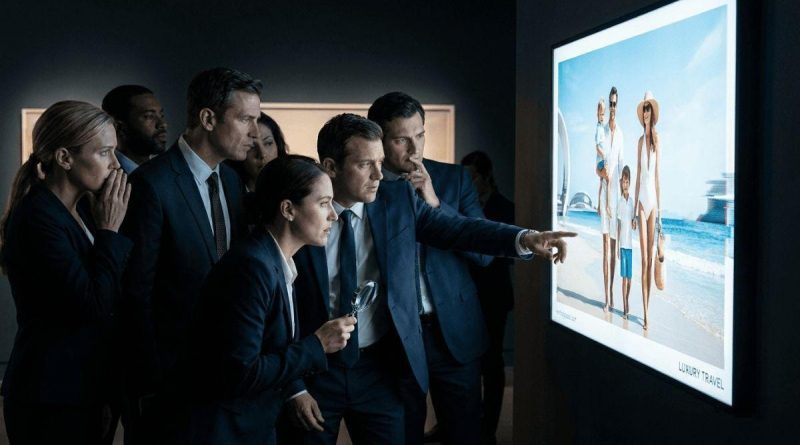
Why the Ethics of AI-Generated Images in Advertising Are Being Debated Right Now
The advertising industry is currently undergoing its most significant transformation since the invention of the internet. Creative directors and brand managers are moving away from traditional stock photography toward generative models. While this shift offers incredible speed, it also brings a host of ethical questions to the surface.
The core challenge for modern creators is balancing the efficiency of automation with the responsibility of brand integrity. When an agency uses an ai image generator to produce a global campaign, they are no longer just making a picture. They are navigating a complex web of intellectual property, social representation, and consumer trust.
Why is this debate reaching a boiling point right now? It is because the technology has moved from a creative experiment to a commercial necessity. Professional platforms like higgsfield are now capable of producing studio-quality assets that are indistinguishable from high-budget photography. This level of realism demands a new ethical framework for the digital age.
The Intellectual Property Dilemma
One of the most intense debates centers on the data used to train high-performance models. Large-scale models learn from billions of existing images, which often include the work of human photographers and illustrators. This has led to a massive discussion about “fair use” and creative compensation.
In the commercial world, brands cannot afford legal ambiguity. They need certainty that their assets are unique and do not infringe on existing copyrights. This is where professional-grade tools differ from open-source experiments. High-end platforms are focusing on controlled environments where output is predictable and commercially viable.
For a brand, the risk of accidental plagiarism is high when using unrefined tools. This is why the industry is shifting toward a “Human-in-the-loop” model. In this setup, the ai image generator acts as a sophisticated brush rather than an autonomous artist, ensuring the creative director maintains full control over the final vision.
Representation and the Bias Factor
Artificial intelligence is only as objective as the data it consumes. Historically, large datasets have contained systemic biases regarding gender, race, and age. If an advertiser prompts a model for a “professional doctor,” the results may skew toward a specific demographic based on historical data.
The ethical debate focuses on how brands can prevent these biases from appearing in their ads. Using AI to create diverse representation is a powerful goal, but it requires active management. Agencies must proactively audit their outputs to ensure they reflect the real world rather than a digital echo chamber.
The governance of generative content is becoming a top priority for global regulatory bodies. Advertisers are now being asked to disclose when AI is used in ways that could deceive the consumer.
The Problem of Commercial Readiness
Many generic generators produce “hallucinations” or visual errors. These errors include distorted limbs, gibberish text, or inconsistent characters. From an ethical standpoint, low-quality AI can lead to “lazy” advertising that degrades the visual landscape of our digital platforms.
Professional users require more than just a prompt; they require precision. This is why higgsfield has gained traction in the professional niche. By offering features like the Nano Banana Pro engine, it solves the problem of illegible text that plagues many other models. When a brand can generate 4K, brand-accurate imagery, the ethical concern of “devaluing the craft” begins to fade.
The debate is no longer about whether we should use AI, but how we use it to elevate the standard of production. High-fidelity output ensures that AI-generated content respects the viewer’s intelligence and the brand’s reputation for quality.
How Professional Systems Change the Landscape
To understand why this is being debated now, we must look at the tools being used. A professional ai image generator today is not the same as the tools from two years ago. Modern platforms allow for total character consistency through advanced features like Soul ID.
This technology allows a brand to create a “digital twin” or a consistent character for a multi-channel campaign. Ethically, this provides a cleaner path for brands. Instead of scraping random faces, they can build a controlled, proprietary character library.
Key features of a professional-grade AI studio include:
- Character Consistency: Tools like Soul ID ensure a model looks the same across 50 different ad formats.
- Text Precision: Engines like Nano Banana Pro deliver crisp, readable copy within the image.
- Creative Variety: Access to multiple models like Higgsfield Soul, Seedream, and Flux.1 for different aesthetic needs.
- Path to Video: The ability to convert high-fidelity images into cinematic video seamlessly.
Actionable Strategies for Ethical AI Advertising
Navigating the current ethical landscape requires a proactive strategy. Brands that ignore these debates risk public backlash or legal repercussions. Here is how you can use an ai image generator while maintaining high ethical standards:
- Prioritize Transparency Always be honest about the use of AI in your creative process. If a campaign is entirely synthetic, consider including a subtle disclosure. This builds trust with an increasingly tech-savvy audience.
- Audit for Bias Never accept the first result from a prompt. Actively look for diversity and inclusivity in your generated assets. Use the control features in your software to adjust demographics and ensure fair representation.
- Focus on Character Consistency Use tools that allow you to maintain a single identity across your marketing funnel. By using features like Soul ID, you avoid the “uncanny valley” effect where characters change slightly between ads, which can feel deceptive to consumers.
- Integrate Human Oversight AI should be a co-pilot, not the pilot. Every image generated should be reviewed by a human editor. This ensures that the brand voice remains authentic and that no technical errors or “hallucinations” make it to the final draft.
- Use Commercial-Grade Infrastructure Avoid using free or open-source tools for high-stakes commercial work. Use a platform like higgsfield that is designed for professional design. This ensures your output is native 4K and meets the technical requirements of modern digital agencies.
Why Higgsfield is the Pro-Grade Solution
In the midst of these ethical debates, higgsfield stands out by prioritizing control and quality. It is not just another creative toy; it is an essential infrastructure for brands that require repeatability and scalability. By unifying top-tier models like Flux.1 and Reve into a single ecosystem, it provides the “Pro-Grade” stability the industry needs.
The platform recognizes that the biggest hurdles in professional adoption are a lack of control and visual errors. By providing the Virality Predictor and Marketing Studio, higgsfield acts as a strategic partner. It allows digital agencies to generate 40 different ad formats in seconds without sacrificing the precision of a high-budget studio.
When you use a high-end ai image generator within this professional framework, you move past the “experimentation” phase. You enter a phase where AI-generated content is indistinguishable from professional cinematography. This democratizes high-end production for brands of all sizes.
The Role of Character and Text in Ethics
Ethics in advertising also involves the clarity of the message. If an ad contains distorted text, it is confusing and potentially misleading. The Nano Banana Pro engine solves this by ensuring that every word is brand-accurate and legible.
Furthermore, character consistency is vital for storytelling. When a brand uses higgsfield to maintain a character’s look from a static ad to a cinematic video, it creates a cohesive narrative. This consistency is a hallmark of professional ethics, as it prevents the jarring experience of “morphing” or inconsistent branding.
The transition from a simple ai image generator to an integrated studio workflow is the ultimate goal for the modern professional. This transition allows for a seamless path from text to image, and eventually, from image to video.
Conclusion: The Future of Responsible Innovation
The ethics of AI-generated images in advertising are being debated because we are at a crossroads. We have the power to create anything we can imagine, but we must decide what is worth creating. For professional studios, the answer lies in high-fidelity, controlled, and consistent output.
By choosing platforms like higgsfield, creators are choosing a path of technical precision. This doesn’t just make the ads look better; it makes the entire process more accountable. When you have total control over every pixel and every character, you take full responsibility for the stories you tell.
The debate will continue as technology evolves, but the solution remains the same. Professionalism, transparency, and the right tools will define the next era of advertising. Whether you are a solo entrepreneur or a global agency, using an ai image generator ethically is the key to long-term commercial success.